Safe access comes first
We do not enter an active, unstable or uncleared fire site. Emergency services, the insurer and qualified trades must address structural, electrical, gas and other immediate hazards first.
Active fire, smoke or immediate danger? Call 000 and do not enter until emergency services say it is safe. Once the site is cleared, we assess suitable smoke- and soot-affected carpet, rugs and fabric upholstery, coordinating the cleaning scope with your insurer where required.
Local specialist care
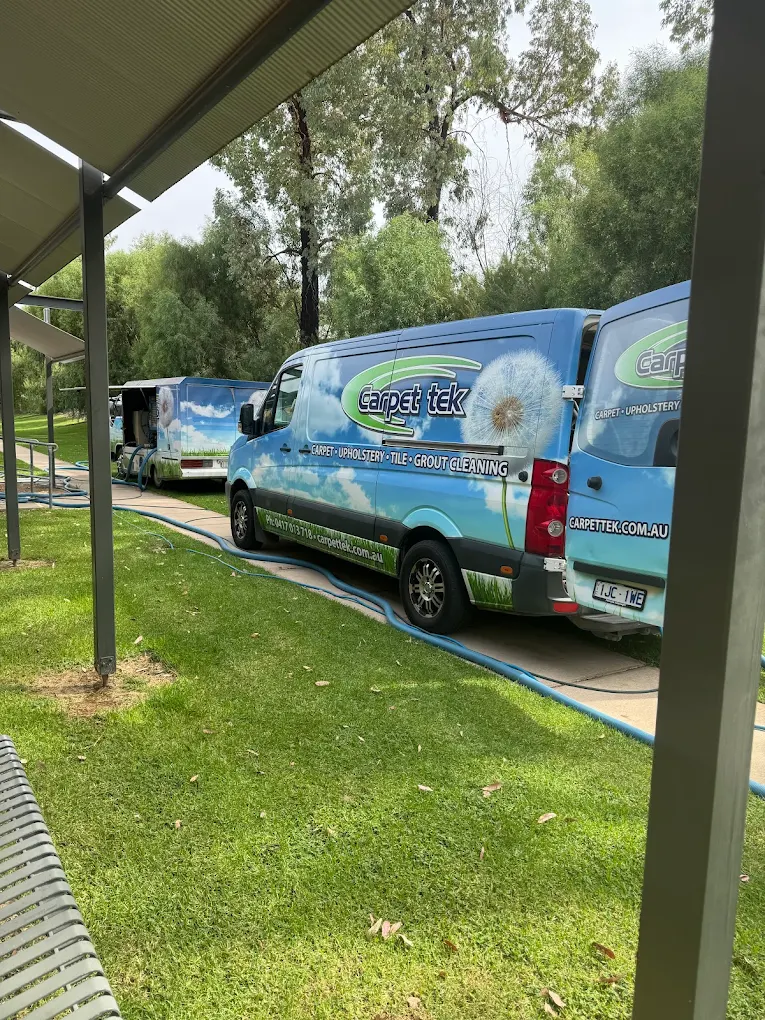
Based in Mildura and serving homes and businesses across Sunraysia and surrounding districts.
After a fire, the first priorities are people, emergency response and a safe property—not cleaning. Fire can leave unstable structures, damaged electrical or gas services, hot spots, contaminated water, sharp debris and hazardous building materials. Carpet Tek only discusses post-incident cleaning after emergency services, the relevant authority or a suitably qualified professional has confirmed that the proposed work area can be entered and the required make-safe work is complete. Insurer approval is a separate step and does not confirm that a site is safe.
Smoke damage is not one uniform stain. The residue changes with what burned, how hot the fire became, how smoke travelled and whether firefighting water, foam or household chemicals are present. Fine dry particles can spread far beyond the room of origin, while oily residue and strong odour can move into carpet backing, upholstery filling, timber, wall cavities and ventilation systems. Applying water or an everyday cleaner before the residue is understood can smear soot, set marks or move contamination deeper into a material.
For suitable jobs across Mildura and Sunraysia, we assess carpet, rugs and fabric upholstery within our cleaning scope. We explain which items may respond to professional cleaning, which need a dedicated contents or fire-restoration specialist, and which are too heat-damaged or contaminated to treat responsibly. Where an insurance claim is involved, customers should obtain the insurer or loss adjuster’s approval before authorising cleaning, moving contents or disposing of damaged items.
Why professional care matters
We do not enter an active, unstable or uncleared fire site. Emergency services, the insurer and qualified trades must address structural, electrical, gas and other immediate hazards first.
We consider what is known about the fire, visible soot, ash, moisture and the affected material before selecting dry removal, testing or a suitable cleaning process.
The assessment can cover suitable carpet, rugs and fabric upholstery, while heat-damaged, highly porous or unsafe materials are referred or excluded.
Smoke odour may sit beyond the visible surface. We explain when cleaning should help and when backing, foam, cavities, HVAC components or building materials require broader remediation or replacement.
What we can help with
The right scope depends on whether the issue is light smoke drift, a contained incident or part of a wider insured fire loss. Every affected area must already be safe to access.
Carpet exposed to airborne smoke or light surface residue, assessed for fibre condition, heat damage, backing contamination and the likely pathway of the smoke.
Suitable lounges, chairs and other upholstered furnishings assessed for residue on the textile and possible odour penetration into cushions, foam or framing.
Rugs and suitable removable items checked for fibre, dye, construction, heat exposure and whether specialist off-site contents restoration is more appropriate.
Carpet and fabric furnishings in adjoining rooms may collect fine residue even without direct flame damage, so the smoke pathway and each material need separate assessment.
Homes or workplaces affected by smoke and settled particles without direct flame damage, once outdoor conditions and indoor access are safe for inspection and cleaning.
Wet carpet may need a separate water-damage assessment because firewater can carry soot, burnt material, foam or other contaminants beyond a standard clean-water loss.
Our approach
We move from authorisation and hazard information to material testing, rather than starting with products or promising that every item can be restored.
Before attendance, we confirm that the fire is extinguished, the work area is safe to enter, utilities and structural concerns have been addressed, and the owner or insurer has authorised an assessment.
We ask what burned, where the fire started, how smoke travelled, what suppression water or products were used, which rooms were open and whether an insurer or other specialist is managing the loss.
Affected carpet, rugs and fabric upholstery are checked for soot, ash, moisture, heat change, dye stability and odour penetration. A discreet test helps establish whether cleaning is appropriate.
Suitable dry residue is addressed without unnecessary spreading before material-appropriate treatment. Wet cleaning is only introduced where testing and the residue type support it.
After cleaning and drying, we review remaining marks or odour and explain whether further textile treatment, contents restoration, HVAC work, sealing, building remediation or replacement should be considered.
Call 000 if there is active fire, smoke or immediate danger, and do not re-enter until emergency services say it is safe. Carpet Tek does not make structures safe, reconnect utilities, remove asbestos, clean fire-damaged HVAC systems, demolish building materials or certify a property for occupation. Fire-damaged materials in a pre-1990 building may need assessment by an occupational hygienist, licensed asbestos removalist, builder, electrician, plumber, fire-restoration provider or other qualified specialist before cleaning can proceed.
Questions customers ask
Straight answers help you plan the job properly. We will confirm the method, likely outcome and drying or return-to-use advice after inspection.
For an active fire or immediate danger, call 000. Do not enter until the Fire Officer in Charge or relevant authority says the property is safe. Notify your insurer promptly and ask what emergency make-safe, inventory and cleaning steps they want completed before you move or discard anything.
Not in every case. Cleaning can improve odour where residue is accessible and the material is salvageable, but smoke may have penetrated carpet backing, underlay, upholstery foam, timber, insulation, wall cavities or HVAC components. Heat-damaged and highly absorbent items may retain odour or require replacement, so a complete-removal guarantee would be misleading.
Some smoke-affected carpet and upholstery can be cleaned after inspection and testing. The result depends on the combustion residue, fibre, dyes, heat exposure, moisture, prior wiping and penetration into backing or filling. Avoid rubbing soot or applying household liquids because that can spread or set the residue.
Not automatically, but underlay may need replacement when heat, soot, firefighting water or persistent odour has reached it and it cannot be cleaned and dried properly. Access, contamination, carpet condition and the insurer’s scope all affect that decision. Cleaning only the carpet face will not resolve residue trapped underneath.
If the loss may be insured, contact the insurer before authorising work, moving contents or throwing items away. The insurer or loss adjuster may require photographs, an inventory, a quote or a particular restoration provider. We can discuss the proposed textile-cleaning scope once you know what approval is required.
We can assess suitable carpet, rugs and fabric upholstery once the outdoor smoke event has passed and the property is safe to enter. The extent of settled ash, individual material and any health or air-quality concerns determine whether specialist textile cleaning is enough or broader advice is needed.
Structural repairs, electrical and gas work, demolition, asbestos or hazardous-waste removal, air-duct and mechanical-system remediation, widespread contents restoration and occupancy clearance require the appropriate licensed or qualified providers. We will not present surface or textile cleaning as a substitute for that work.
Pricing depends on the affected area, residue type, materials, access, testing, required cleaning steps and whether water damage or specialist referrals are involved. A small smoke-drift clean is very different from an insured structure-fire loss. Once the site is safe and the scope is known, request a free quote for the work Carpet Tek can responsibly provide.
Related services